The comparison between steel fiber and traditional welded mesh is usually done wrong, looking only at the price of the material itself. The economic reality of a project is more complex than that.
Welded mesh often has a lower material cost at first glance, but it brings hidden costs: labor time for positioning, spacers for maintaining the mesh at the correct height in the slab, the risk of the mesh being displaced during concrete pouring (a common problem on site, hard to verify visually after pouring), and prolonged execution time, because each conventional reinforcement stage is a separate stage in the work schedule.

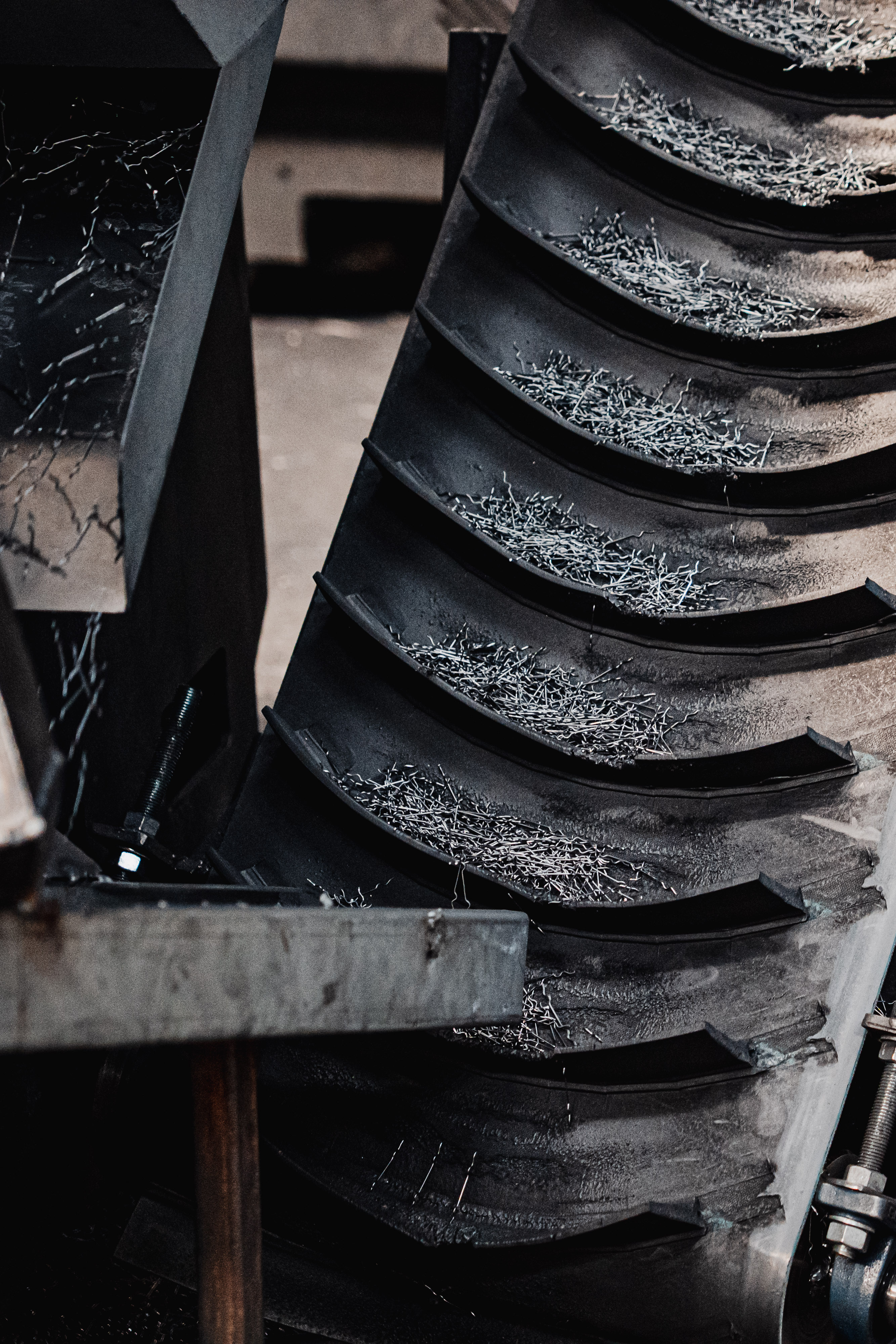
Steel fiber is added directly to the fresh concrete, at the batching plant or mixer, completely eliminating the manual positioning stage. Pouring becomes continuous, without interruptions for mounting the reinforcement, which shortens the execution schedule on large projects.
In addition, three-dimensional distributed reinforcement offers an advantage that mesh does not have: uniform protection in the entire volume of the concrete, not just in a single horizontal plane. Cracks that appear vertically or at the corners of the slab, where classic mesh offers limited protection, are controlled much more efficiently by a homogeneously distributed fiber network.
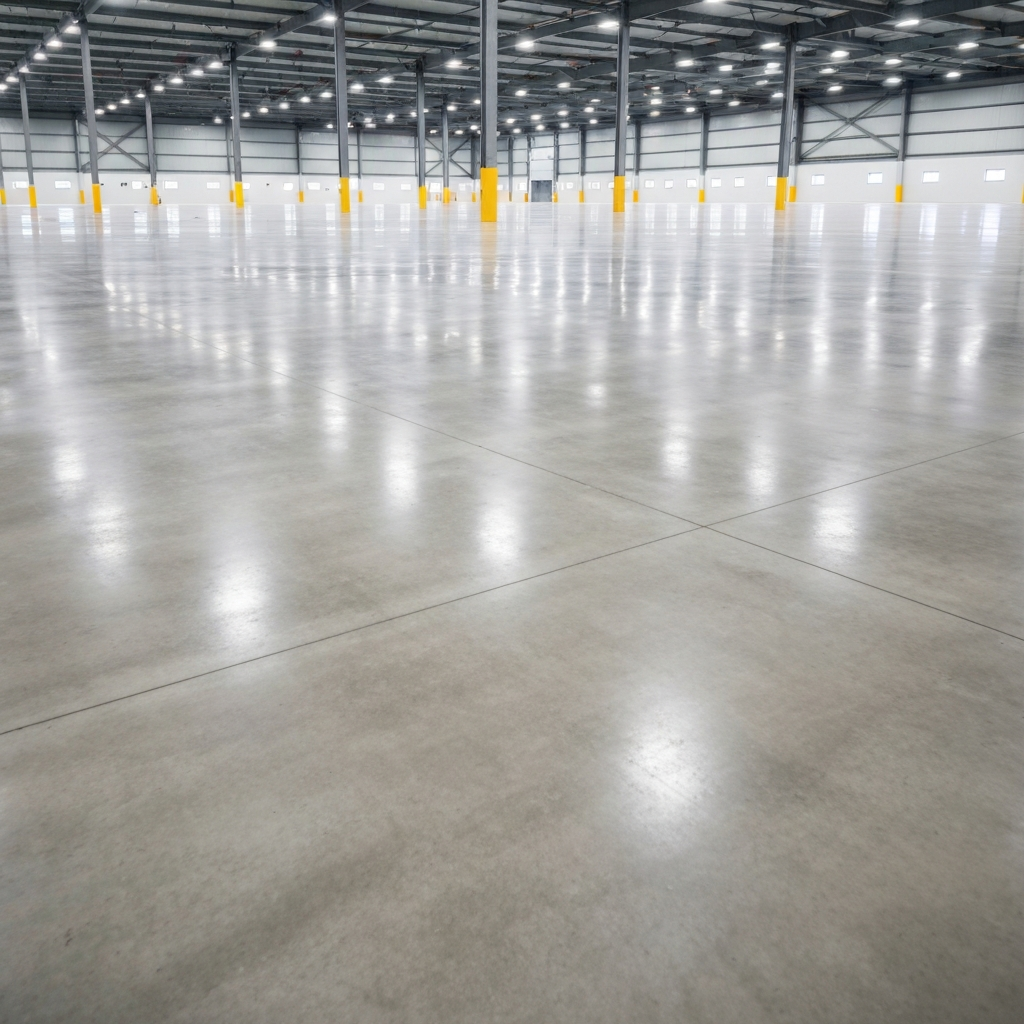
The real cost of a project is not seen only in the materials invoice, but in the execution time, in the labor saved and in the lifespan of the final surface. From this angle, steel fiber often wins the comparison, even when the price per kilogram seems higher at first glance.