Repeated freeze-thaw cycles are one of the most efficient enemies of concrete exposed to the exterior. Water penetrating existing microcracks freezes, expands, widens the crack, then thaws, leaving room for even more water in the next cycle. Repeated hundreds of times in a cold season, the process can degrade a concrete slab much faster than its age would suggest.
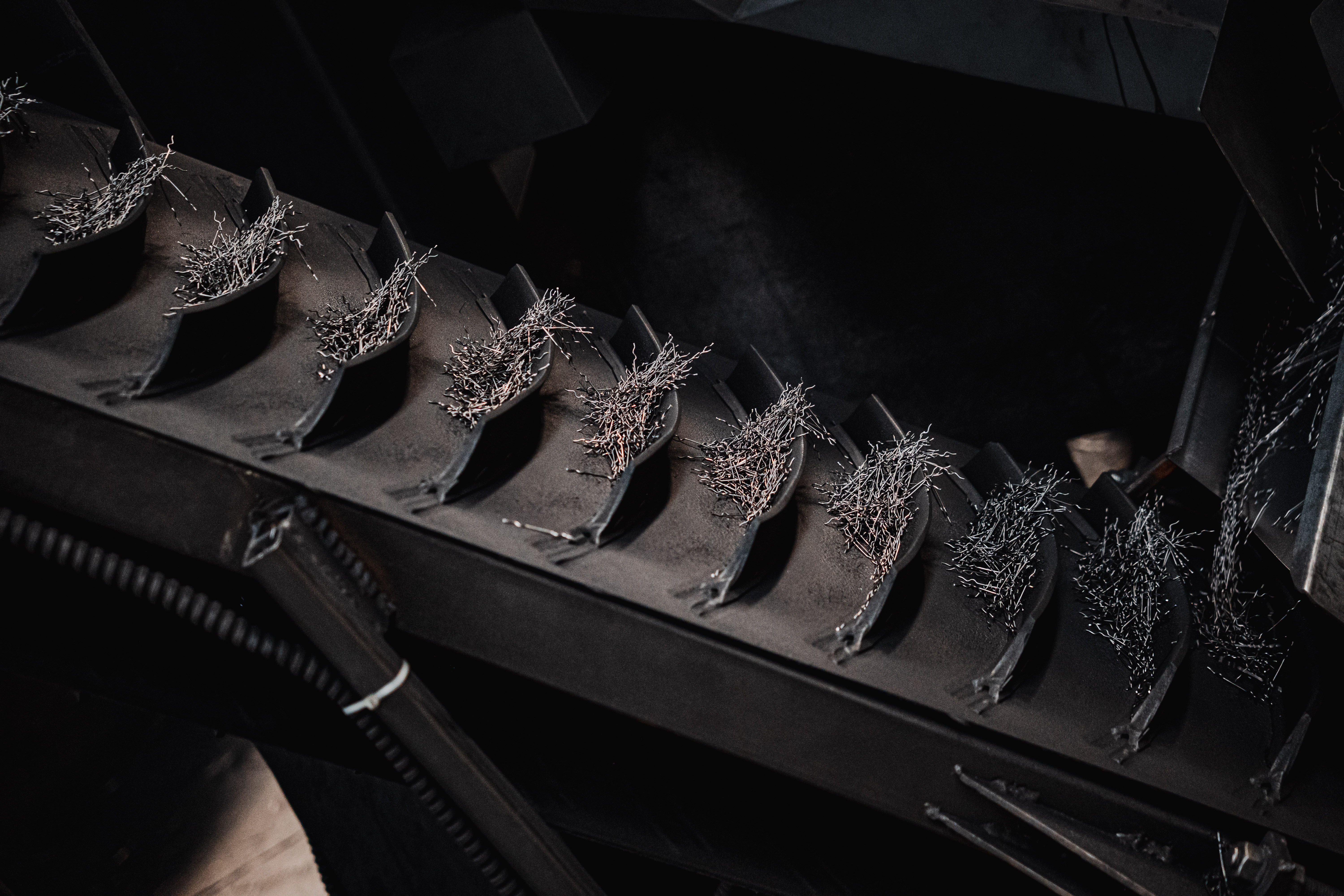
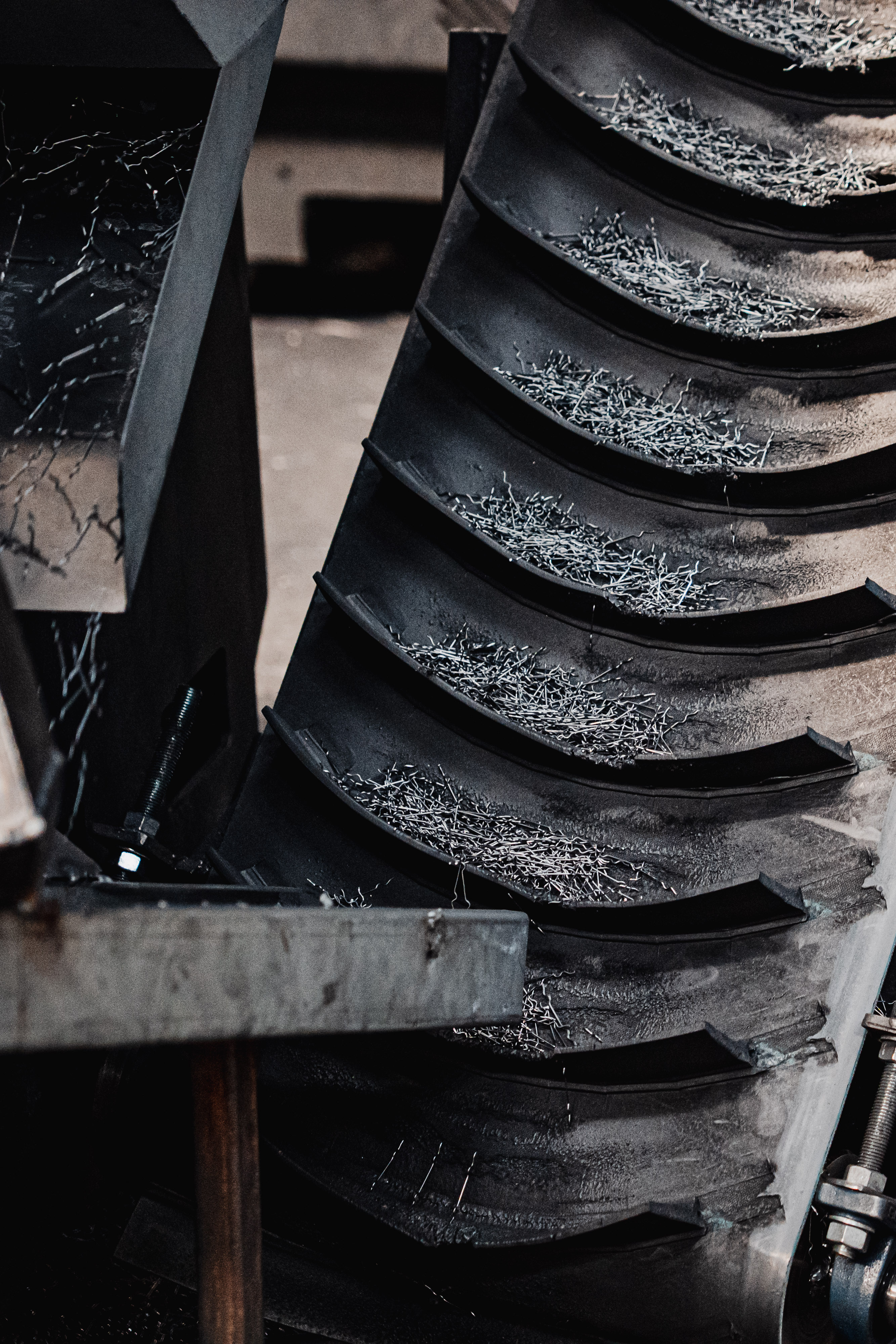
The steel fiber intervenes right at the source of the problem: crack width. Plain concrete, once cracked, allows the crack to open freely under load. Fiber-reinforced concrete keeps cracks much finer and better controlled, because the network of fibers distributed in the concrete matrix continues to transfer tensile stresses even after the first crack appears, preventing it from widening uncontrollably.

A finer crack means less water able to penetrate and freeze inside, which directly reduces the degradation speed of concrete exposed to harsh winter climates. For exterior platforms, parking lots and industrial roads exposed to repeated freeze-thaw cycles and thermal variations, this improved crack control and contribute to longer service life and reduced maintenance needs.