One of the questions we receive most often sounds simple: "how much fiber should I put in a cubic meter of concrete?" The correct answer, however, is not a single number that applies to every project. The required dosage is determined through project-specific design calculations and performance requirements.
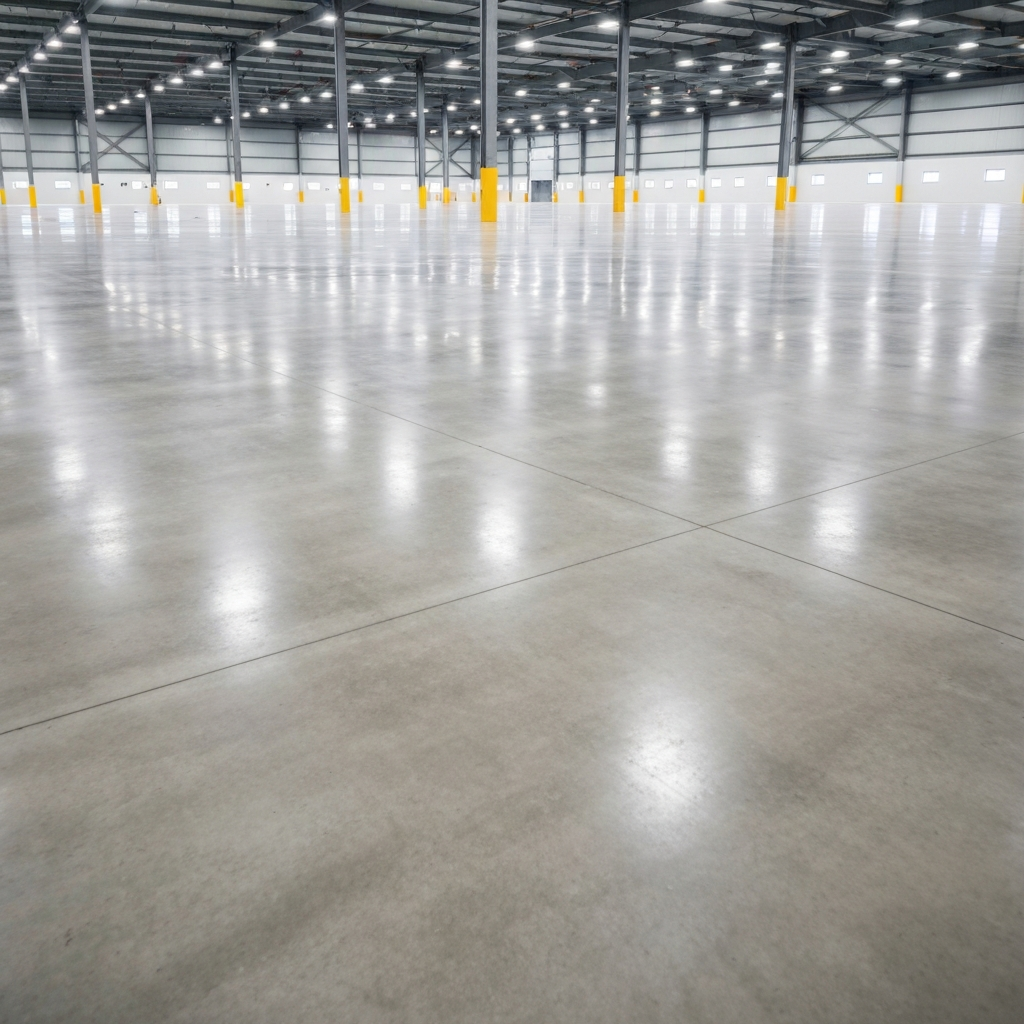
The first factor is the type of application. An industrial floor subject to forklift traffic has different requirements from an exterior platform exposed to significant thermal variations, while a precast element demolded at an early age has different requirements from a tunnel lining applied by shotcrete.

The second factor is the thickness of the concrete element. Slab thickness affects how loads are distributed and is an important parameter in determining the required fiber-reinforced concrete performance. Fiber length, diameter, geometry and dosage must also be considered when selecting the reinforcement solution.
The third factor is the estimated traffic or loading class. A warehouse with light electric forklifts does not place the same demands as a platform constantly used by heavy trucks.
The fourth factor is the selected fiber type, as different fiber geometries, such as Hooked-end and Double-hook hybrid fibers, can provide different levels of post-cracking performance at a given dosage.
For this reason, a "universal dosage guide" with a single table of figures would actually be misleading. The correct recommendation is established together with the Fibro Metals technical team, based on the real plans of the project, not from a generic blog article.